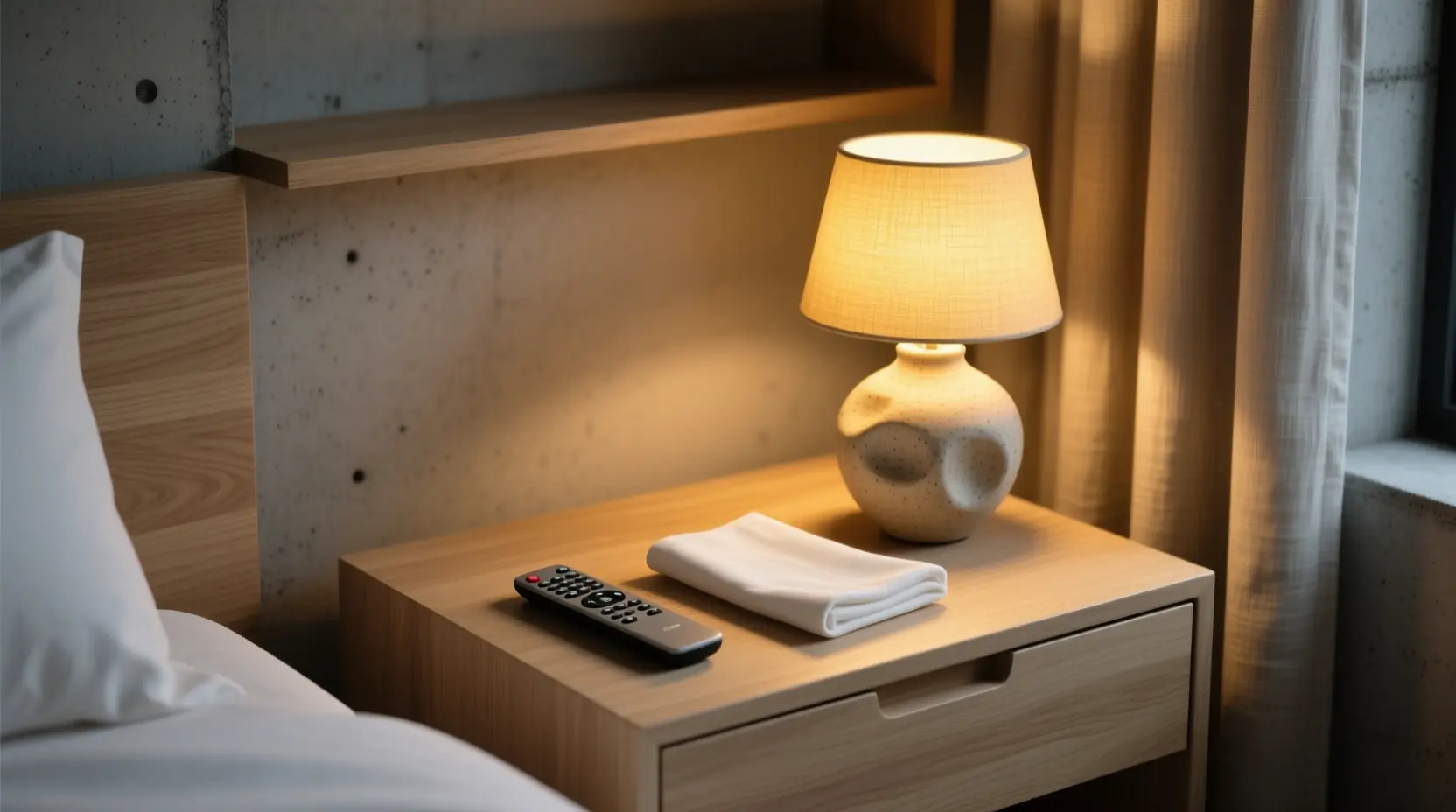
The Hollow Space on the Nightstand
A door closes. A suitcase rests. A breath, held since departure, is finally released. This is the moment of arrival, the silent exchange between guest and sanctuary. The air holds the curated quiet, the light falls just so upon the linen. And then, the eye notes an absence. A small, rectangular void on the bespoke surface. The remote—that unassuming conductor of atmosphere—has departed.
It is a subtle rupture. The room, for all its poised perfection, feels momentarily untethered. The narrative of seamless care, so carefully composed, misses a beat. This is not about a plastic gadget. It is about the loss of the silent host.
A Moment of Stillness: Listening to the Void
Before action, a quiet pause. Sit in the room. Let its character speak. Feel the cool whisper of polished concrete, the soft embrace of brushed wool, the warm grain of reclaimed oak. The object you seek must not merely function; it must converse. A garish interloper of shiny plastic shouts where the space whispers. It speaks of inattention.
Place your palm on the empty space. Recall the memory of weight. A proper remote possesses a gentle heft—a sober assurance in the hand. It is not a feather; it is a talisman of control. Remember the texture beneath your thumb. Was it a fine-grained, matte finish, cool and silent? A surface that politely refuses fingerprints? This tactile memory is your first, truest guide.
Deciphering the Room’s Quiet Language
Now, listen to the room’s other voices. Turn to the appliances themselves—the television, a monolithic pane of dark glass; the air conditioner, a discreet grille; the motorized shade, a seamless band of linen. These are the instruments awaiting their conductor. Seek the discreet label, often hidden like a secret signature. Here, you will find the true names: brand and model number.
This is not a sterile code. It is the specific dialect of this space. A Bang & Olufsen Beovision Eclipse speaks a different aesthetic tongue than a vintage-inspired Loewe bild. Record it precisely. This knowledge is your lodestar.
The Three Paths Back to Wholeness
The search, now informed, presents three paths. Each offers a different texture of return.
The Original Conductor
The first path leads home, to the manufacturer. An original remote is a piece of the room’s soul, restored. Its buttons align with perfect intuition; its finish is a seamless extension of the original design intent. There is a profound comfort in this authenticity, a sense that the designed harmony has been meticulously preserved. This is the choice of the purist, the steward who values coherence above all.
The Sympathetic Companion
The second path welcomes a universal remote, but let us refine the term. Think of it as a sympathetic companion. The finest are masterful interpreters. They learn the infrared language of your devices with a polished fluency. Select one that speaks of considered design—an ergonomic curve that nestles in the palm, backlit buttons for midnight reveries, a programming ritual that feels like an introduction, not an ordeal. A singular, elegant wand can, in fact, declutter a space, replacing a cacophony of controls with one serene authority.
The Ethereal Guide
The third path is the most seamless, and the most ephemeral: the smartphone app. Here, control dissolves from the physical into the atmospheric, leveraging the device already in the guest’s hand. For a certain sensibility, this is the zenith of intuitive luxury—interfaces that appear only when summoned. Yet, we must hold space for the guest seeking disconnection. The deliberate click of a physical button, the act of commanding light without unlocking a world of notifications, carries its own quiet virtue. This path requires the deepest contemplation of the sanctuary’s true purpose.
The Details That Constitute a Welcome
With the path chosen, the final selection rests in the details. These are the subtleties that elevate a utility into a gesture of deep hospitality.
The Weight in the Hand: It should feel considered. A slight, grounding mass suggests quality within—a promise of endurance.
The Texture of Trust: Seek the fine-grained matte finish. It resists the smudges of journey, maintaining a calm, clean presence. It feels respectful.
The Language of Layout: Buttons should fall under the thumb by instinct, not search. A gentle, positive tactile response—a soft, muffled click—is the quiet confirmation of a command received and understood.
The Patina of Permanence: Choose materials that promise to age with grace, that will bear the soft polish of use. It should feel enduring, not disposable.
The Ritual of Restoration
When the new object arrives, do not merely unwrap it. This is the final, sacred ritual. Pair it. Test each function—the silent ascent of the shade, the gentle dimming of the lamp to a perfect pool of gold. Feel the restoration of agency, of effortless atmosphere.
Then, with intention, welcome it home. Clean the space on the nightstand. Align it with the edge of a journal, the base of a ceramic lamp, the fold of a linen napkin. It is no longer a replacement. It has been integrated. It resumes its post as the unseen host, ready to serve.
The absence of that small key is a gentle reminder of how our peace is woven into the details. The quest to restore it, undertaken with discernment and a quiet eye for harmony, is therefore an act of profound stewardship. It reaffirms a simple, grounding truth: that true sanctuary is found not in grandeur, but in the flawless, intuitive function of a thousand considered details. In the perfectly weighted, intuitively placed object that rests, waiting, in a pool of lamplight—a silent promise that here, everything has been thought of. And you, at last, are home.