In the Hush of Healing: A Tool of Gentle CommandThere is a rhythm to a healing space. The soft beep of a monitor. The steady hum of a ventilator. The slow sigh of an adjustable bed. Light, diffused and gentle, pooling by the window. Amidst this orchestration of care, there rests a small, silent companion — often overlooked, yet deeply present.
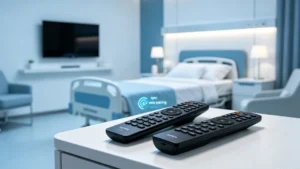
The hospital remote control.
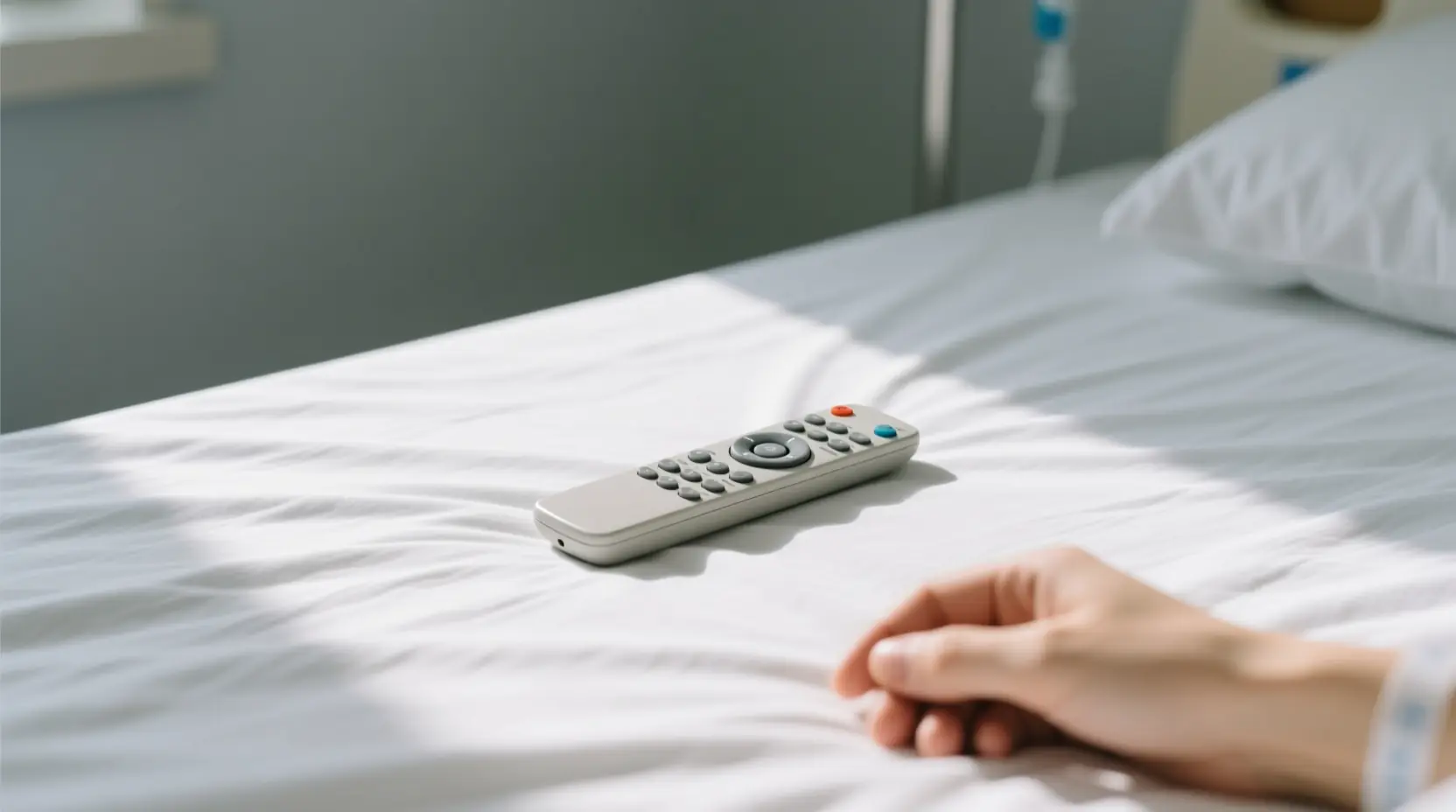
It is more than a device. It is a vessel — a vessel for story, for a momentary escape into a familiar comedy under the glow of the afternoon. For a weary soul, it becomes an instrument of quiet sovereignty. To lower the volume, inviting a pocket of peace. To choose a channel, a small but potent act of will in a world where so much is decided by others.
This is not just convenience — it’s dignity. It’s autonomy. And in the context of hospital remote control procurement, it’s a critical design consideration for modern healthcare facilities.
Listening to the Whisper of the UnseenTrue care extends beyond the visible wound, the charted vital. It lives in the atmosphere of safety we cultivate. We attend to the stark, sterile tools — the sharp edges, the complex machines. But what of the quiet constant? The companion on the bedside table, touched after adjusting a pillow, after offering a glass of water, after a hundred tender, necessary ministrations.
A traditional remote, with its landscape of buttons and crevices, becomes an archive. It holds the gentle oil of a weary hand, the quiet residue of a long day. Each press, each touch, a potential whisper of transfer.
This is not a call for alarm — but for a deeper, more gentle attention. An invitation to widen our circle of vigilance to include the smallest, most frequent points of contact.
For hospitals and medical facilities, this means buying hospital remote controls that are not just functional — but hygienic, durable, and designed for high-touch environments.
The Philosophy of a Gentle Surface: Why Hospital Remote Control Design MattersNow, imagine a different kind of touchpoint. One conceived not just for utility, but for harmony.
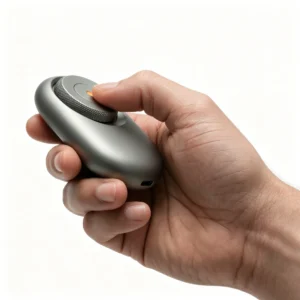
Lift it. Feel its quiet balance in your hand. The first thing you sense is its surface — not a cold, clinical shell, but a smooth, matte finish. A texture that feels like a breath held and then softly released.
This is a surface that understands its purpose. It knows it will need to be cleansed, repeatedly and with care. There are no deep valleys for doubt to settle, no impossible seams where cloth and solution cannot journey.
It is a single, flowing form. A soft cloth, lightly dampened, glides over it in one calm, continuous motion. You can see the care taken. You can feel the certainty of it.
And within this gentle shell lies a quiet sentinel: an antimicrobial resin. This is not a fragile coating — but the heart of the material itself. A continuous, passive guardian, working in the background to inhibit the growth of microbes on the device between cleanings.
This is the kind of innovation healthcare procurement teams look for when sourcing hospital-grade remote controls with antimicrobial resin.
Buttons That Understand a Weary Touch: Ergonomics for Caregivers & PatientsLet your thumb — perhaps tired from a long shift — drift across the buttons. They are not small, demanding tasks. They are generous meadows. Gently raised, with a soft, definitive click that asks for no pressure, only intention.
They are shaped for hands that may tremble with fatigue, for fingers stiff with time or strain.
For eyes that find the world a little softer at the edges, the contrast is a kindness. Large, dark symbols rest like clear poetry against a light, neutral field. The layout is not a labyrinth. It is a map of tranquility.
Power. Volume. Channel. Mute. A simple numeric keypad. The clutter of a hundred unused functions is swept away.
This simplicity is a profound gesture. It removes frustration, returning the tool to its essence: a reliable interface for solace. No fumbling. No squinting. Just a clear action and a sure, quiet response.
This reliability builds a gentle trust — for the patient, it is one less mystery in a day of new routines. For you, the caregiver, it means fewer interruptions, fewer calls for help with a confounding device.
It grants a gift of uninterrupted stillness — for both of you.
A Dedicated Companion: Why Hospitals Need Custom Remote ControlsIn shared spaces — a sunlit room in a facility, a multi-generational home — the question of belonging matters. A standard remote is a communal chronicle, carrying the traces of all who have held it.
A hospital remote control designed for care can be something more intimate. It can be theirs.
Its very form speaks its purpose. The wipeable surface, the serene interface — they whisper of an environment where well-being is the first principle. It is a dedicated companion for this person, in this chapter of recovery.
This subtle assignment is a quiet nod to dignity. It says, “This is reserved for your comfort, and your peace.”
And when the time comes for a room to be renewed — for a fresh beginning — the cleaning protocol brings a deep sigh of reassurance. Knowing this frequent touchpoint can be returned to a state of quiet neutrality with such ease offers closure.
It is not a concern to be managed — but a detail peacefully resolved.
The True Purpose: A Thread in the Tapestry of RecoveryIn the end, this is not about a remote control. It is about a philosophy.
The understanding that healing is a tapestry woven from countless threads — the clinical, the emotional, the environmental. The spirit mends in an atmosphere of safety, dignity, and gentle autonomy.
A reliable, clean, simple hospital remote control is a small anchor in the uncertain waters of convalescence. It offers the ritual of the evening news, the comfort of a favorite film. It is a window left open to the world.
When it feels solid and certain in the hand, it supports a quieter mind. Anxiety, finding no rough edge to catch on, settles less easily.
For you — the one who gives care — with the hands of a nurse, the heart of a family member, the eye of a designer — it is one less silent worry.
Your vigilance is a profound offering. To have tools that partner with you in that vigilance — designed from their origin to support a sanctuary of health — is a quiet liberation.
It allows you to redirect your beautiful, finite energy toward the human needs no object can ever fulfill: the listening ear, the whispered encouragement, the steadfast presence.
A Final, Grounding Breath: Choosing the Right Hospital Remote ControlIn the quiet workshop of care, we choose our tools with intention. We select those that are fit for purpose, kind to the user, and harmonious with the space. We smooth away all that is harsh. We seek a reliability that makes the tool an extension of the heart, not an obstacle to it.
A hospital remote control designed for healthcare is such a tool. It is a gentle evolution from an accidental guest to an intentional element of peace.
The difference between an object that is merely present — and one that is truly, deeply nurturing — is the difference between good care and exceptional care.
For Healthcare Procurement Teams: Why This MattersIf you’re responsible for purchasing equipment for hospital patient rooms, rehab centers, or long-term care facilities, consider this:
- Antimicrobial resin — reduces microbial transfer between patients and caregivers
- Wipeable, seamless surface — ideal for high-touch environments and infection control protocols
- Large, tactile buttons — designed for elderly, arthritic, or fatigued hands
- Simple, intuitive layout — reduces patient frustration and caregiver workload
- Customizable for facility branding — can be branded or color-coded for departmental use
- Compliant with healthcare hygiene standards — meets CDC, WHO, and hospital infection control guidelines
Conclusion: The Quiet Guardian in Every Patient RoomThe hospital remote control is more than a tool. It’s a quiet guardian — a silent partner in healing. It’s the first thing a patient reaches for after a long day. The last thing a caregiver touches before leaving the room.
It’s not about technology. It’s about human-centered design — for the hands that heal, and the hands that hold.
When you choose a hospital remote control engineered for hygiene, simplicity, and dignity — you’re not just buying a device. You’re investing in peace. In safety. In the quiet assurance that every detail, no matter how small, has been thoughtfully designed for the people who need it most.