A Quiet Hum in the Corner of the Room
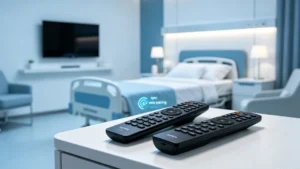
In a space of healing, where the hours can stretch soft and thin, there is often a gentle glow from the corner. A window to the world. It holds stories. It hums with distant music. It offers a thread of connection, spun from light and sound, to the life outside these walls. And in a hand—sometimes weary, sometimes trembling—rests the small, rectangular key to that window: the television remote.
But when the key sticks. When the buttons feel like a foreign alphabet under searching fingers. When confusion clouds a simple desire for comfort… a small, significant door swings shut. A sigh of helplessness can fill a room meant for peace.
This is where the new remote waits. Not as a piece of plastic. Not as a gadget. But as a promise. A promise of autonomy whispered in smooth, antimicrobial resin. A pledge of dignity held in the gentle dome of a button designed for frail touch. You, holding it, are not merely completing a task. You are a caretaker of comfort, preparing to weave a thread of quiet independence back into the tapestry of someone’s day.
Let us approach this not as a chore, but as a ritual. A quiet ceremony of reconnection. We will walk through it together, step by gentle step.
First, a Breath: Feeling the Intent in Your Hands
Before we begin, pause. Feel the remote. Notice its texture. A soft, matte finish, seamless and non-porous—easy to wipe clean, easy to hold. The buttons are generous islands of calm in a simple sea. They are spaced for certainty, not speed. Each press offers a soft, tactile click, a quiet confirmation to tired hands that says, “I heard you.” This object was born from deep listening. Its beauty is the beauty of quiet utility.
Now, turn your gaze to the television. A Samsung, an LG, a Sony, a Vizio. A silent companion by the wall. It, too, is waiting to listen. Our task is simple: to introduce these two in a language they both understand. To facilitate a gentle conversation.
The Gentle Tools of Reconnection
You will need very little. The new remote, cool and ready in your palm. The provided code sheet—a simple lexicon of numbers, a shared vocabulary. The television itself. And perhaps, a chair. Pull it close. This is not a race. It is a patient, kind dialogue. Settle in. Breathe. This will work.
The Heart of the Matter: Finding the Right Whisper
The process is a universal rhythm, a dance of patience for nearly every brand.
1. A Soft Awakening
Begin by turning the television on. Use its original remote, or find the button on its frame. Let the screen glow to life. This is our common ground.
2. An Invitation, Held
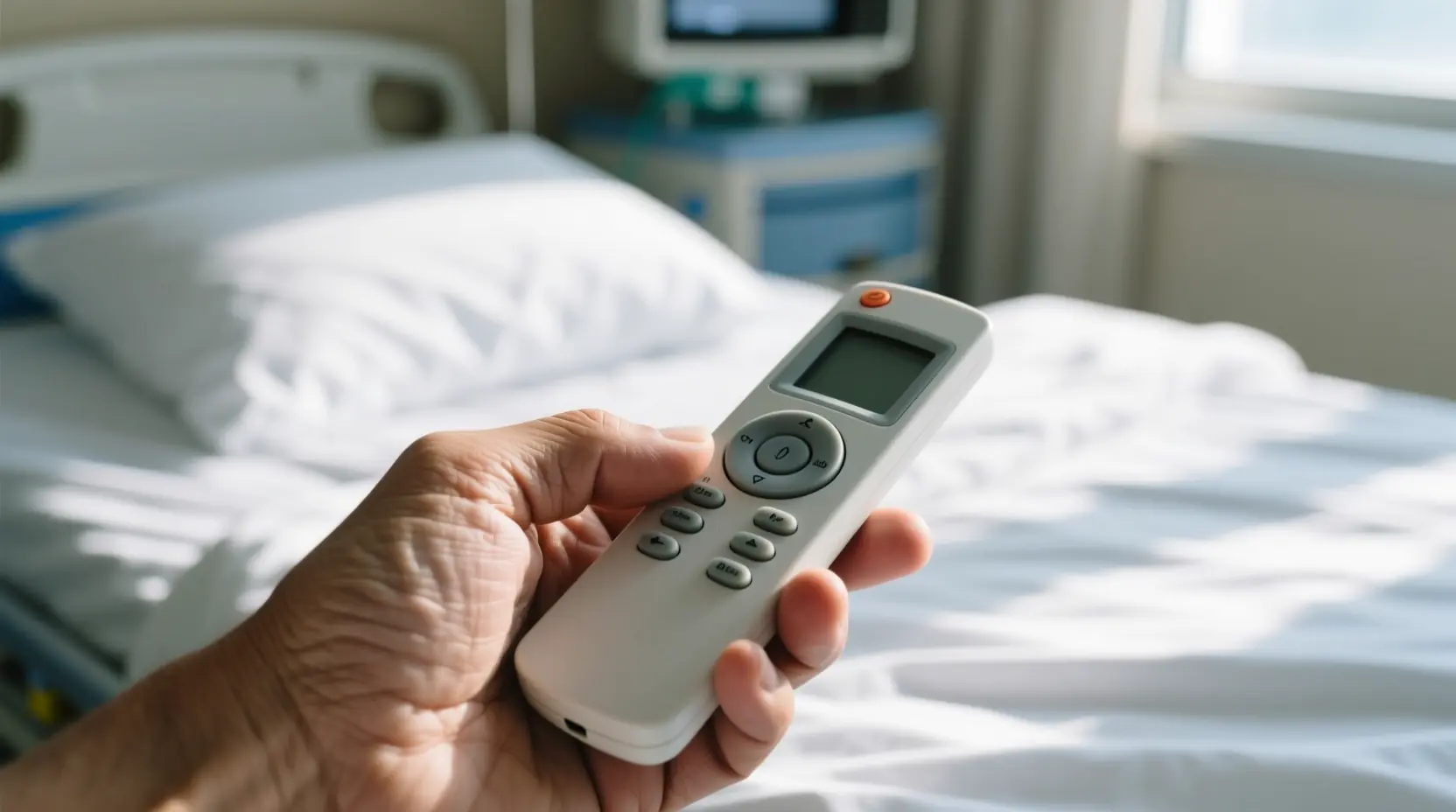
Take the new hospital remote. Find the button labeled “TV.” Press it. Hold it down. Feel the gentle click. Keep holding. After a few heartbeats, a small LED will often light—a soft, amber eye opening. It is awake. It is listening. You may release the button now. The light may stay steady, or it may begin a slow, patient blink. It is ready.
3. Speaking the Code
Consult your gentle guide, the code sheet. Find the column for your television’s brand. You will see a short list of three-digit numbers. These are the whispered phrases that say, “You are speaking to an LG now,” or “This is a Toshiba.” Choose the first code on the list. With the remote pointed tenderly at the TV, enter that three-digit number. Do not hurry. Let each press be deliberate, certain.
4. The Moment of Recognition
After the third digit, the remote’s light will often blink once, or go dark—a quiet “understood.” Now, point the remote directly at the television and press the “Power” button. Watch the screen. Be still here. Be observant.
One of two things will happen, and both are your guides:
- If the television turns off: A quiet wave of completion. You have found the correct whisper on the first try. The connection is made. Press “Power” once more to turn the TV back on. Test a volume button. Test a channel. Feel the reliable response. The conversation flows.
- If the television does not respond: Do not fret. This is not a setback. It is simply the process of gentle elimination. That particular code was not the one this specific television understands. The remote is still listening, its light often still aglow.
5. The Patient Search
If the first code did not work, press and hold the “TV” button again until the light returns. Enter the *next* code on the list for your brand. Press “Power.” Observe. This is a search, not a struggle. With each attempt, you are narrowing the field. You are getting closer.
6. The Successful Bond
When you find the code that turns the television off, pause. Feel the satisfaction of this quiet victory. Test the major functions—volume, channel, input, mute. Ensure they speak to one another clearly and consistently. This reliability is the foundation of peace.
When the Path Wanders: The Manual Search
Occasionally, the provided list, through no fault of its own, does not hold the precise code. The television may be older, a slightly different model. There is another path. A slower, more meditative scan.
- Turn the TV on. Press and hold the “TV” button on the remote until the light comes on.
- Instead of a code, simply press and release the “Power” button. Wait. The TV will likely do nothing.
- Now, press the “Channel Up” button on the remote *once*. Point the remote at the TV and press “Power” again. Did it turn off?
- If not, press “Channel Up” once more, then try “Power” again. Continue this patient, rhythmic pulse: Channel Up, then test Power. Each press of “Channel Up” is the remote cycling, one by one, through every possible code in its memory. It is a deliberate, thorough search.
- The moment the television turns off, stop. Immediately press the “TV” button once to lock that code in. The light will go out. You have manually guided it home.
After the Connection: A Final, Caring Touch
Once the remote is programmed, take a soft, clean cloth. Wipe its surface, this new key to the world. Place it in the patient’s hand, or on the bedside table within effortless reach. Ensure the batteries are snug, a hidden well of power. Your active work is done, but its resonance lingers in the air.
The Quiet Truth Beneath the Buttons
What you have accomplished extends far beyond making a device change channels. You have restored a fragment of control. In an environment where so much is decided, managed, and done *for* a person, this small object does only what it is *asked* to do. It offers choice without complexity. It provides companionship without demand.
The gentle, tactile click under a thumb—that is an act of will. A tiny, powerful declaration of “I choose this.” It is the peace of a familiar laugh track. The comfort of a beloved film’s cadence. The gentle distraction of clouds rolling over a mountain on a screen.
It is about a person, in a vulnerable moment, not having to summon the energy to ask for help to journey somewhere beautiful, if only for a little while.
So as you finish, as you hear the soft sigh of a changed channel from the doorway, know this. You have tuned more than a device. You have tuned an instrument of peace. You have ensured that the quiet glow from the corner of the room remains what it was meant to be: a portal. A portal to story, to solace, to a world beyond the walls—a world accessible with the simple, reliable press of a button made for a human hand.
And in a place of healing, that is a gift of the gentlest, deepest power.