Best Universal Remote Control 2026: The Ultimate Guide for Home Theater EnthusiastsIn an era of endless screens and digital noise, your home theater should be a sanctuary—a place where technology recedes to reveal the story. Yet, how often does your immersive experience begin with a frantic search for the right device or a glowing, distracting smartphone screen?
For the serious enthusiast in 2026, the key to a truly cinematic experience is not more hardware, but a premium universal remote control. Acting as a silent guardian of your acoustic and visual ritual, the right controller bridges the gap between vintage analog warmth and cutting-edge digital precision.This guide explores what makes a high-end home theater remote worth the investment, from tactile materials to advanced automation capabilities.
Beyond Convenience: Why Tactile Design Matters
High-end home theater systems are masterfully engineered, from the subtle glow of a tube amplifier to the razor-sharp precision of a 4K laser projector. Why compromise that experience with a lightweight, hollow plastic remote?
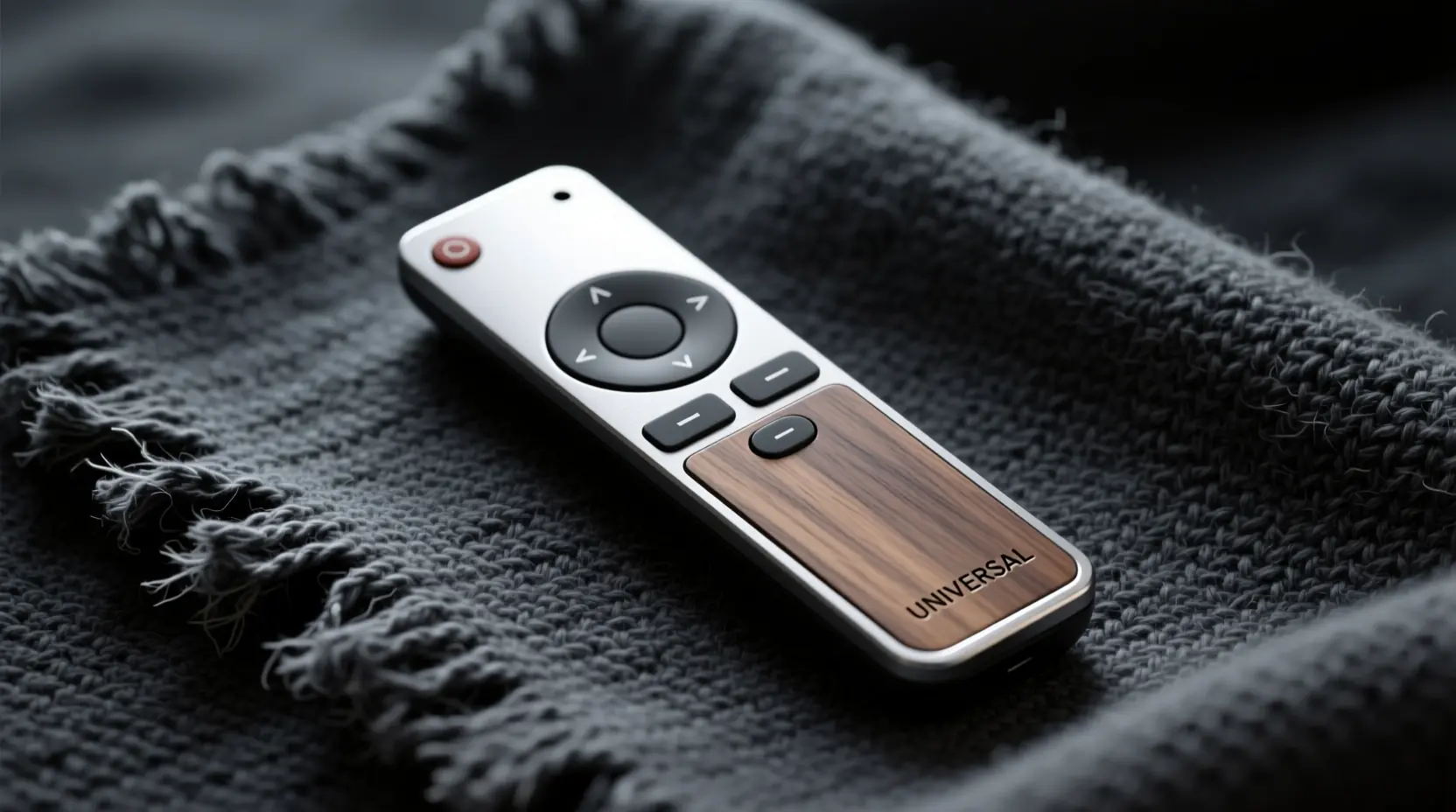
A luxury home theater remote is designed to feel like an extension of your intent. Whether crafted from brushed aluminum, anodized steel, or finished with fine walnut inlays, these devices offer a “cool weight” that grounds you.
When you reach for a premium remote in the dark, the tactile feedback is crucial:
- Viscous Volume Wheels: A silent, fluid roll rather than a jerky plastic click.* Damped Micro-Switches: A soft “thock” that you feel in your thumb bone without disrupting the room’s silence.
- Ergonomic Balance: A device that sits perfectly in the palm, reducing fatigue during long viewing sessions.
Seamless Home Theater Automation: Mastering Macros
The hallmark of an exceptional programmable universal remote is its ability to handle complex sequences with a single touch. Modern home theater integration should not be a technical chore; it should be a graceful “overture.”With advanced macro programming, a single button press can trigger a chain reaction of actions:
- System Awakening: Powering on amplifiers, bringing projectors to readiness, and waking up streamers simultaneously.
- Lighting Control: Dimming smart lights to a precise “cinema” setting via IP control.3. Input Management: Switching seamlessly between vinyl turntables, digital streams, and 4K Blu-ray players, regardless of brand or age.
By removing the “mechanical preamble”—the fumbling through menus and switching between multiple wands—the hardware vanishes, leaving only the experience.
Why Compatibility is the True “Silent Guardian”
In 2026, your setup likely includes a mix of vintage analog equipment and cutting-edge digital streamers. A high-end universal remote control acts as the essential bridge, utilizing three core communication protocols:
- IR (Infrared): For legacy devices and line-of-sight control.* RF (Radio Frequency): Essential for controlling devices hidden inside AV cabinets or behind closed doors.
- IP (Network/Wi-Fi): For modern smart TVs, streaming boxes, and lighting systems.
The best remote systems act as archivists, holding light-codes for thousands of components. They speak the language of your equipment with such precision that the transition from standby to fully immersive is seamless.
Key Features to Look For in a 2026 Remote
When investing in a remote worthy of your theater, prioritize these four design pillars:
- Tactile Geography: Look for distinct button shapes (concave ridges, raised markers) that allow you to navigate by feel in total darkness.
- Material Integrity: Choose remotes built from aerospace-grade aluminum or fine wood. These materials offer thermal mass and a sense of permanence compared to disposable plastic.
- Minimalist Logic: Avoid remotes that look like cockpit controls. The goal is to reduce choice, not add it. A clean, uncluttered layout keeps the focus on your content.* Multi-Protocol Support: Ensure the device supports IR, RF, and IP simultaneously to future-proof your system against new technology shifts.
FAQ: Choosing the Right Remote for Your Setup
Is a universal remote better than using smartphone apps in 2026?
Yes, for critical listening and viewing. Smartphone apps rely on Wi-Fi stability and lack tactile feedback. A dedicated physical remote offers instant response, works even if your network is down, and provides the “ritual” of control that enhances the viewing experience.
Can one remote control both vintage and modern devices?
Absolutely. If you choose a programmable remote that supports both IR (for older amps/receivers) and IP/Bluetooth (for modern streamers), you can unify your entire rack into a single interface.
Do I need a professional installer for home theater automation?
While basic setup is DIY-friendly, complex macro programming involving lighting scenes, motorized screens, and audio calibration often benefits from professional configuration to ensure perfect timing and reliability.
Conclusion: The Guardian of the Acoustic Rite
A truly great universal remote control doesn’t just manage hardware; it preserves the sanctity of your listening and viewing experience. By eliminating the friction of digital interfaces and the distraction of glowing screens, it allows you to cross the threshold into your world of sound and light with clarity.
In2026, the ultimate remote is the one that disappears. It remembers your rituals so you can forget the mechanics, leaving you exactly where you want to be: in the dark, in the moment, and fully engaged with the story.