In the world of high-fidelity audio, we invest heavily in speakers, amplifiers, and high-resolution DACs to ensure sonic purity. Yet, many audiophiles overlook the interface that bridges the gap between human intention and mechanical performance: the remote control. Settling for a cheap, plastic, or unresponsive controller is a missed opportunity to complete your audio system’s tactile experience.
Whether you are managing a vintage tube amplifier or a modern high-end streaming setup, upgrading to a premium universal remote control is more than an aesthetic choice—it is an upgrade to your entire listening ritual.
Why Audiophiles Are Upgrading Their Remote Controls
A high-end sound system is a masterpiece of engineering. The equipment—brushed aluminum faceplates, heavy knurled volume knobs, and dampened switches—demands an interface that matches its quality. A plastic remote that feels hollow, clicks loudly, or requires precise line-of-sight aiming creates friction.
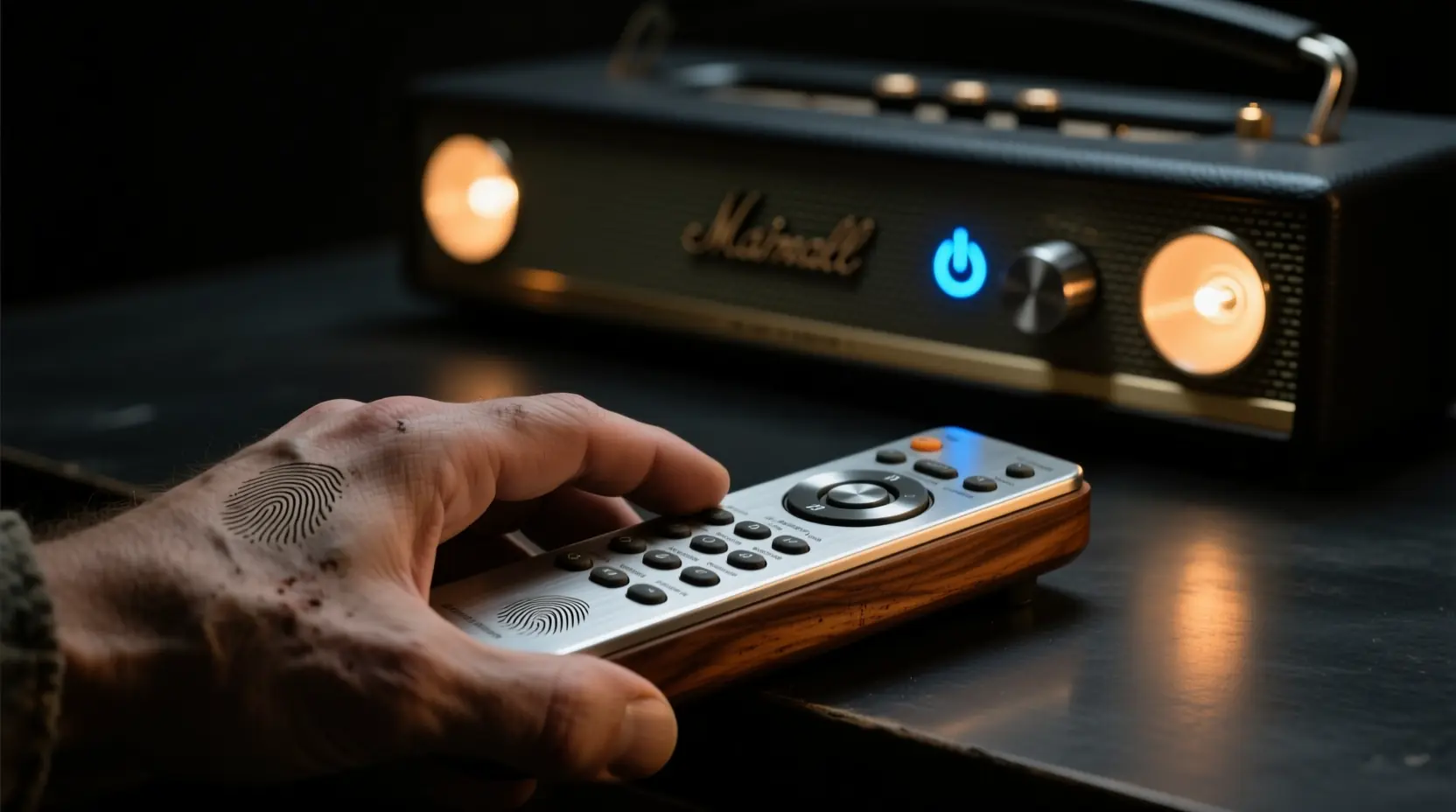
A heavy-duty audiophile remote control, crafted from materials like brushed aluminum, cold-rolled steel, or walnut, provides the weight and tactile satisfaction that signals your brain to slow down, focus, and prepare for a deep listening session.
The Tech Behind the Silence: RF vs. IR
Compatibility is the cornerstone of a functional listening room. When choosing a universal programmable remote, consider your environment:
- Infrared (IR): The traditional standard. Reliable and direct, perfect for systems where your equipment is in a clear line of sight.
- Radio Frequency (RF): The “silent guardian” for complex setups. RF signals can travel through wood and metal, allowing you to hide your amplifiers and streamers in closed cabinets while maintaining total control.
High-end remotes act as a bridge, learning the unique IR codes of your components—even obscure or vintage marques—and storing them in a dedicated, reliable database.
The Power of Macro Programming
The true magic of a high-end controller lies in Macro programming. Instead of manually turning on your tube amp, selecting the phono input, starting the turntable, and dimming the lights, a well-configured remote allows you to trigger this entire sequence with a single, tactile button press.
This is not just “convenience”—it is the curation of an experience. A programmed macro acts as a conductor, allowing your system to wake up in a graceful, orchestrated sequence that respects your equipment and protects your focus.
Choosing Your Silent Partner
When selecting a remote worthy of your listening room, look for these key features:
- Tactile Geography: Buttons should have distinct physical shapes or textures so you can operate them by touch alone in a darkened room.
- Damped Feedback: Avoid the brittle “snick” of cheap plastic. Seek micro-switches that provide a soft, profound thud or a satisfying resistance, confirming the command through physical sensation rather than a flashing beep.
- Minimalist Interface: A great remote avoids the “frantic grid” of TV controllers. A clean, uncluttered layout ensures that your focus remains on the music, not the hardware.
- Material Integrity: Choose materials that age gracefully, such as anodized aluminum or oiled wood, ensuring the remote becomes a lasting part of your audio environment.
Conclusion: An Antidote to Digital Distraction
In an era dominated by glowing screens, constant notifications, and glass-swipe interfaces, a dedicated physical remote is an act of rebellion. It grounds you in the analog experience. By choosing a remote that is built for precision and tactile pleasure, you remove the last point of friction between your desire for music and the reality of sound.
Invest in a remote that disappears into your ritual—one that grants you total command without ever breaking the spell of the music.