The Space Between Notes, Held in the Hand
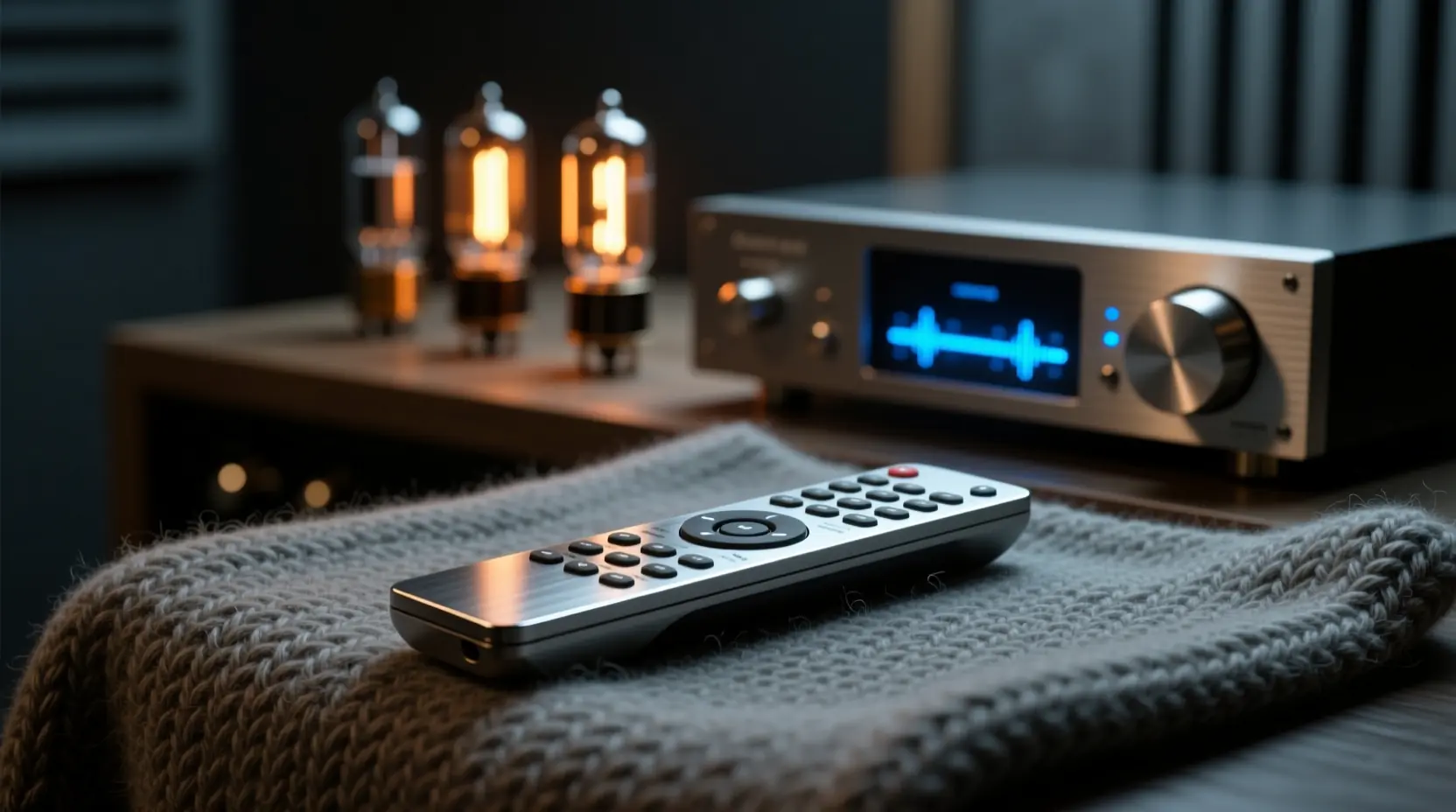
A room breathes in shadow. Not empty. Pregnant. Waiting. Two tiny suns burn, amber and slow, in their glass enclosures. A single, distant star—a blue LED—pulses its cold, perfect mathematics. Between these solitudes, a chasm. Between the fire-born bloom and the crystal lattice of data, a silence. A question. And in the dimness, a hand moves. Not toward the glowing rectangle of chaos. It seeks an anchor. A touchstone of deliberate weight. This is the beginning. The first, quiet note of the ritual.
The Anchor in a Sea of Noise
It must first possess gravity. Not the hollow lightness of disposable things. It must be an object of consequence. Machined brass, cool and dense. Or steel, brushed to a soft, lunar sheen. It rests in the palm. Not a suggestion. A covenant. This weight is the first silence it offers—a tactile vow against the ephemeral.
Under the thumb, texture whispers. The fine, directional grain of brushed aluminum. Or the warm, organic swell of oiled walnut, each whorl a map of time. The buttons are not a grid, but a constellation. Few. Purposeful. Volume. Source. Mute. Their legends are faint, etched, not stamped. They ask to be discovered, not demanded.
The press. Ah, the press. This is where intention meets machinery. No brittle snap. No plastic chatter. A deep, dampened thock. A sensation felt in the bone, a gentle collapse with definitive resolve. It is the sound of a heavy door closing softly in a distant room. A confirmation. In this single, physical gesture, the shriek of the digital world is extinguished. This is human-scale truth. A quiet rebellion in a microcosm.
Of Whispers and Code: The Translator in the Dark
Within this quiet mass, a deeper mystery unfolds. A mind must hold two ancient, warring tongues.
The Language of Heat and Wire
To the tube amplifier, it speaks in analog sighs. A clean, variable resistance. A simple, electrical plea sent down a humble wire. More. Less. It asks. It does not command. It touches the old world with reverence, a pure, undulating voltage that the warm glass understands in its soul. No parsing. No interpretation. Just the honest flow of electrons, a whisper across a dedicated bridge.
The Grammar of Light and Clock
But the DAC dwells in a cathedral of precision. It converses in discrete packets. In pulses of infrared light or structured Bluetooth syntax. Awaken. Select Coaxial Input. Engage Filter Four. A lexicon of absolutes. The remote must learn this cold poetry. It must emit the exact frequency, the precise data string—a perfect, digital haiku.
The art is not bilingualism. It is alchemy. It is the seamless translation of a single, weighted intention into two separate realities. The same deliberate press of the walnut-capped button must issue a smooth, analog whisper to the left and a crisp, digital command to the right. The hand feels only unity. The mind feels only purpose. The remote holds the schism within its cold metal skin, so the listener’s world remains whole.
The Ceremony of Subtraction
We speak so often of addition. Of features. Of more. Here, the highest virtue is removal.
The removal of clutter. The coffee table, once a nest of black plastic wands, lies clear. A single, beautiful object remains. A totem.
The removal of friction. No fumbling for a second controller. No mismatched codes. One shepherd for a flock of disparate souls.
The removal of the vortex. The smartphone is banished. With it goes the ping, the buzz, the infinite scroll of anxiety. This dedicated tool is a monk. It has one prayer. It offers no news, no messages, no ghostly backlight to stain the darkness. It returns the ritual to the realm of the physical, the deliberate. It guards the fertile void from which all true sound must emerge.
The Confluence of Fire and Frost
Now, witness the silent ballet.
The thumb finds ‘Source.’ That deep, satisfying thock. Across the room, a physical reply: the tube amplifier’s relay engages with a soft, audible *clunk*—a sound of mechanical certainty. Simultaneously, the DAC’s blue LED shifts its pattern. A steady glow becomes a patient pulse. Two acknowledgements. One intention.
Music is summoned from the ether. The DAC’s light now dances, a frantic, precise ballet tracking the flawless bitstream. Data is shaped, converted, made pristine. It travels, this perfect signal, down silent cables to the waiting tubes.
And here, the alchemy completes. The tubes receive the digital perfection. But they do not relay it. They baptize it. They enfold its sharp, mathematical edges in a gentle warmth. They impart, through their glorious imperfection, a breath—a harmonic bloom, a slight, even-order shimmer. The crystal logic of the silicon meets the thermionic soul of the vacuum. A marriage of opposites, brokered by a silent, heavy key in your hand.
The Keeper of the Threshold
This, then, is its final, sacred role. More than a tool, it is a keeper of the threshold. A guardian of dualities.
It does not force the old to be new, or the new to be old. It allows the tube its analog fire. It allows the DAC its digital frost. It speaks to each in its mother tongue, while offering you a single, serene dialect of touch and weight.
It sanctifies the ritual. The act of listening becomes deliberate. You lift the anchor. You feel its cold promise. You engage the world with a press that is both heard and felt. You wait. The system stirs. Heat radiates from the glass bottles. Lights perform their mute semaphore. And then… emergence.
The first note does not startle. It appears. It coalesces from the prepared silence. The remote made this possible. Not as a frantic series of commands, but as a slow, graceful ceremony of unification. It has stripped away everything that is not the music. The chatter. The clutter. The anxiety of the screen.
It leaves only this: you, in the patient dark. The warm, honeyed glow and the cool, blue pulse. Two worlds, bridged. Not by shouting, but by a whisper. Not by complexity, but by a profound, weighted simplicity. A humble, silent conductor for the soul of the sound.